Come see what makes Randolph County historic by nature

Where can you spend the night in the same rugged lodge as Thomas Edison and Henry Ford, the extravagant mansion of U.S. Senator Henry Davis, the only building that remains of a former logging town, or remote cabins built by the Civilian Conservation Corps?
For hundreds of years Randolph County, West Virginia has been a regional hub of growth and industry. Today U.S. Route 219 is named after The Seneca Trail, a trail network through the mountains used by many Indigenous peoples for generations. Later the Staunton-Parkerburg Turnpike, now U.S. Route 250, spurred settlement and set the stage for West Virginia’s role in the Civil War. The building of railroads supported the logging boom that fueled our nation. These same routes that were once vital to regional settlement now offer access to many of the top recreation destinations in the state and a variety of heritage activities in our historic communities.
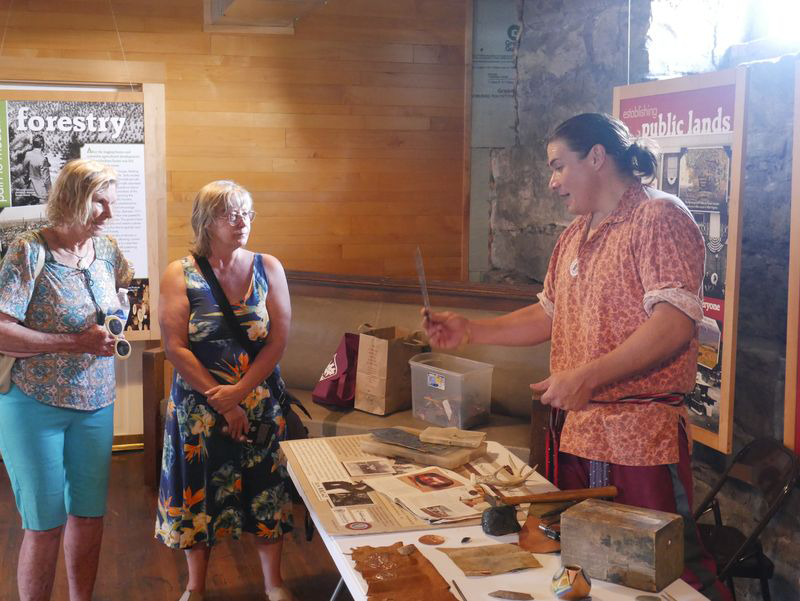
The town of Beverly was Randolph County’s original county seat and is home to two local history museums. The Randolph County Museum showcases scores of artifacts from local residents and hosts seasonal programs. The Beverly Heritage Center brings four historic buildings to life with exhibits and regular events including concerts, presentations, and reenactments. Visit nearby Rich Mountain Battlefield to learn about Randolph County’s important role in some of the first battles of the Civil War.
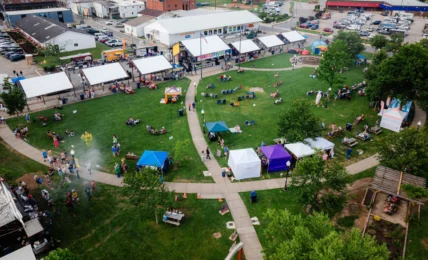
Our local landmarks and events reflect our diverse history of settlement – from the town of Mingo named after the Mingo Indigenous people, to an historic African-American school building. Annual events like the Helvetia Community Fair honor Swiss traditions with music, dance, and food, while the new West Virginia Celtic Festival features highland games alongside Celtic-inspired music and crafts.
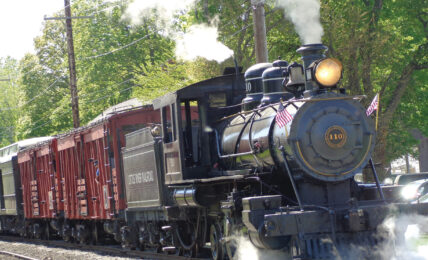
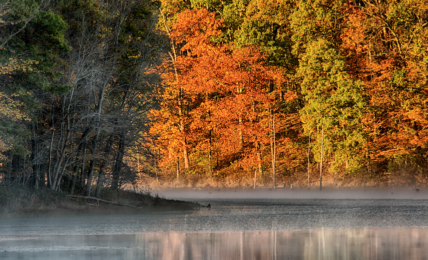
The explosion of the timber and railroad industries developed the city of Elkins, which continues to celebrate its railroad heritage today. Stop by the Elkins Depot Welcome Center located in the original 1908 Western Maryland depot to find recommendations on local attractions. Take in scenic vistas and spectacular fall colors aboard the New Tygart Flyer excursion train to the picturesque High Falls of Cheat. Learn more about the area’s railroad and logging history at the Darden Mill, which houses the Appalachian Forest Discovery Center and the West Virginia Railroad Museum. See modern lumberjacks at work at the annual Mountain State Forest Festival, one of West Virginia’s oldest and largest events.
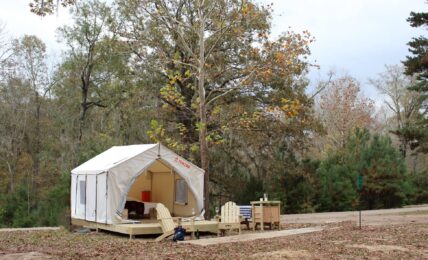
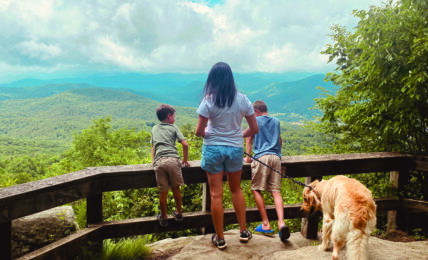
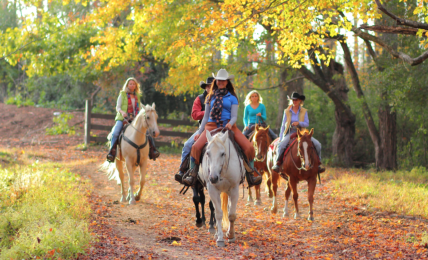
Thanks to the establishment of National Forests and New Deal programs like the Civilian Conservation Corps (CCC), the same forests that were nearly depleted are now home to endless outdoor recreation opportunities. Here you can hike or bike trails that follow the remnants of our industrial history. The Allegheny Highlands Trail and West Fork Rail Trail follow dozens of miles of former railroad grades, perfect for easy biking in the summer or cross-country skiing in the winter. Much of the vast Monongahela National Forest follows former logging roads, and their Mower Basin Trails show a restored native spruce forest on the site of a former strip mine. In addition to planting trees, the CCC built cabins, picnic shelters, and fire towers that can be enjoyed in places like Kumbrabow State Forest and Otter Creek Wilderness.
Experience over 250 years of history for yourself at our local museums, any of the 38 sites listed on the National Register of Historic Places, and a host of events and annual festivals. Explore at your own pace with self-guided walking tours of the historic districts in Beverly, Helvetia, or downtown Elkins. However you take in our heritage you’re sure to see what makes Randolph County historic by nature.
Discover more at https://elkinsrandolphwv.com
YouTube link:
https://youtu.be/oKkcSCUqnbU