Celebrate America’s 250th in Vincennes, IN

Vincennes reads like a footnote that insists on becoming the headline. Here, where the limestone rotunda of the George Rogers Clark memorial crowns the riverbank, the story of a restless young republic was drafted in muskets, treaties and stubborn local politics — the very textures America 250 asks us to revisit. The National Park’s memorial and visitor center anchor Vincennes’ Revolutionary pedigree and orient visitors to the 1779 campaign that helped shape the nation’s western reach.
Step off that hill and you’re inside the town that taught a frontier how to be a state. The Vincennes State Historic Sites — from the Territorial Capitol and Jefferson Academy to the Old French House — stitch together everyday life, law and commerce as the early republic pushed westward. Walking those preserved rooms feels less like reenactment and more like eavesdropping on decisions that remapped a continent.
Vincennes layers the solemn with the theatrical: Grouseland, the William Henry Harrison home, and the unexpectedly joyous Red Skelton Museum make history both intimate and human, reminding travelers that national stories are built from eccentric lives as much as grand gestures.
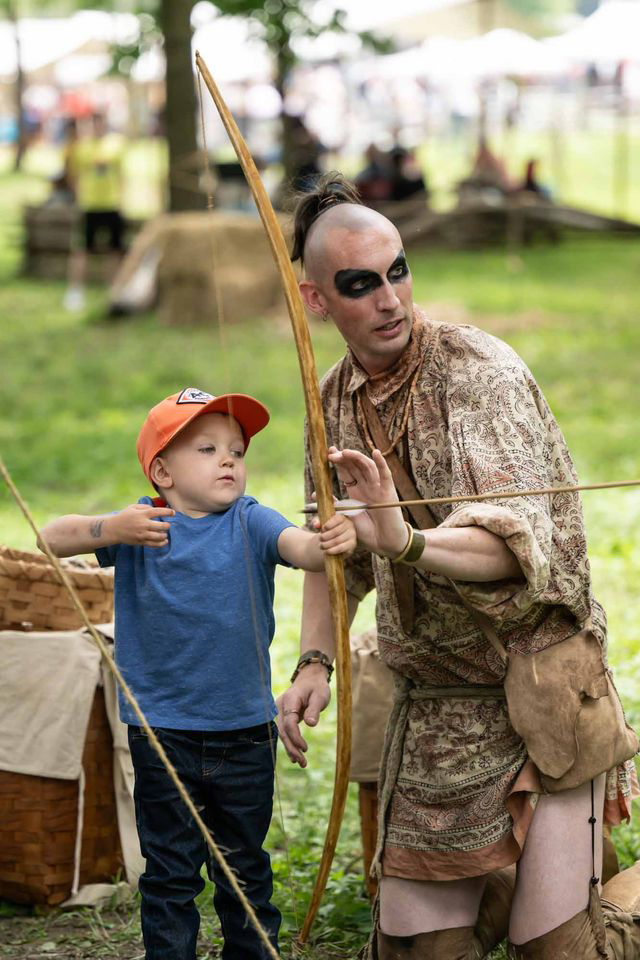
All year the town stages its past for the present. The Spirit of Vincennes Rendezvous reenactment, a rolling calendar of lectures, living-history events for WWII, WWI and Vietnam fold local scholarship into celebration — a deliberate, accessible way to mark America 250 by putting people in period shoes and ideas in conversation. For the visitor, Vincennes offers more than monuments: it offers the feel of history as civic inheritance, not museum glass.
If America 250 is an invitation to re-examine origins, Vincennes answers with places you can touch, stories you can hear, and a stubbornly lively claim: that understanding the country’s beginnings means walking the small streets where they were lived.