Salem County, New Jersey, offers a distinct perspective on Revolutionary-era history
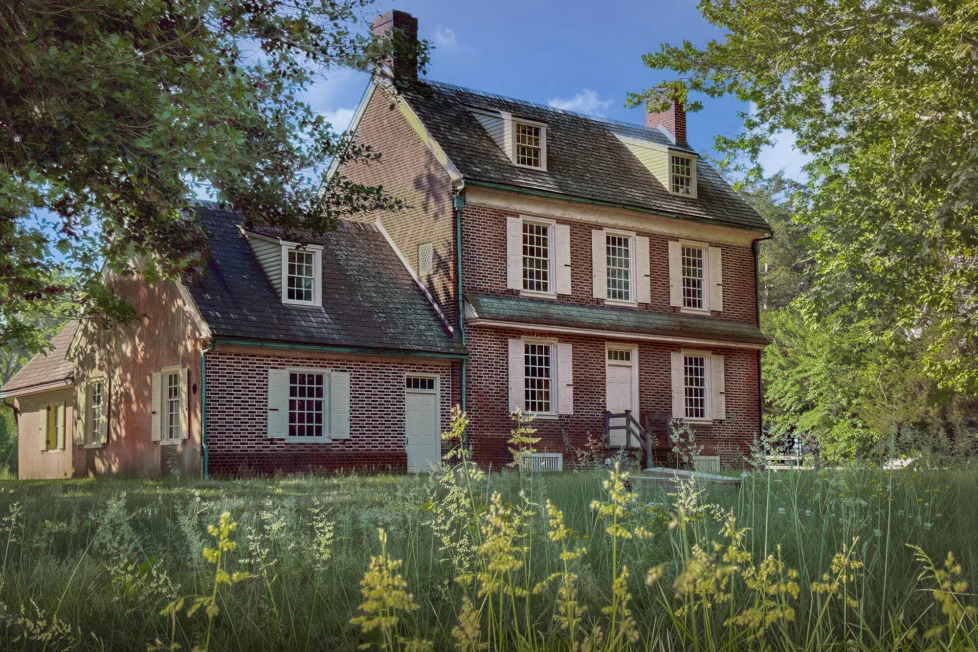

Salem County, New Jersey, offers a distinct perspective on Revolutionary-era history, where the past is woven into the landscape rather than confined to monuments. Located just down the Delaware River from Philadelphia, across from Wilmington, Delaware, and within easy reach of New York City and Washington, D.C., it makes an appealing side trip for travelers tracing the Northeast Corridor’s founding stories.
In the city of Salem, a compact downtown with some of the region’s oldest streets and brick buildings has retained much of its historic character. The Salem County Historical Society, housed in a cluster of eighteenth-century structures, features galleries, period rooms, and a research library tracing local life from early Quaker settlement through the Revolutionary period, offering a focused complement to larger institutions nearby.
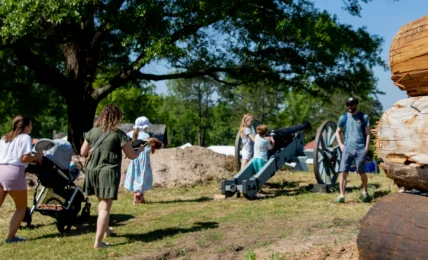
Beyond Salem, the countryside is dotted with patterned-brick farmhouses reflecting the region’s early prosperity. Sites like the Abel and Mary Nicolson House and Hancock House State Historic Site preserve notable architecture while commemorating events such as the Hancock’s Bridge massacre, giving visitors a more immediate sense of how the war affected local residents.
While exploring, visitors can sample wines from the Outer Coastal Plain AVA, explore several craft breweries, and enjoy seasonal farm stands and rural scenery. Cowtown Rodeo—one of the nation’s oldest weekly rodeos—continues to draw crowds, highlighting the county’s enduring agricultural culture. And the Woodstown Central Railroad offers another glimpse into the past with rides on a restored 1930s train.
For travelers familiar with prominent Revolutionary landmarks such as Independence Hall, Valley Forge, or sites in Virginia and New York, Salem County provides a quieter, more intimate perspective, and a unique experience. It highlights how the struggle for independence was experienced not only in major cities, but also within rural communities, where its legacy remains embedded in architecture, landscape, and local memory.